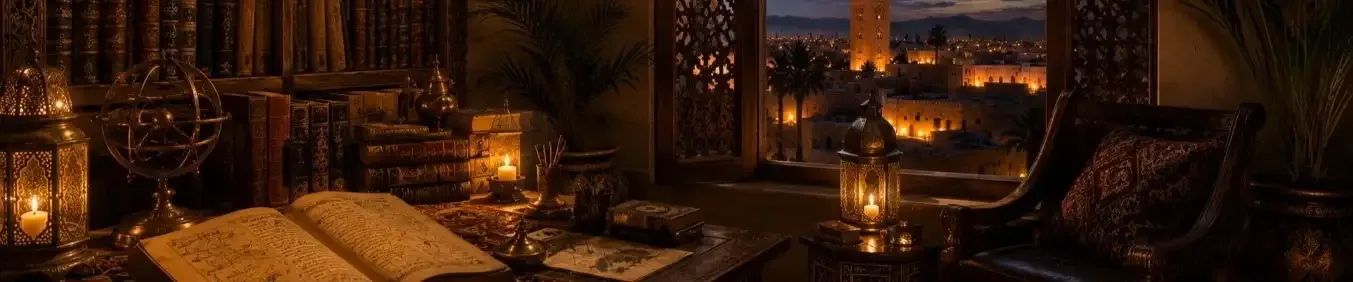
Moroccan henna is a traditional body art and celebration ritual, most often seen on women’s hands and feet during weddings, Eid, births, and joyful gatherings. In Moroccan wedding symbolism, henna represents beauty, blessing, protection, family support, and the bride’s transition into a new stage of life.
What Is Moroccan Henna?
Moroccan henna is a reddish-brown temporary stain made from the henna plant, traditionally applied in decorative patterns on the hands, wrists, arms, and feet. UNESCO describes henna as a symbol of joy used in everyday life and festive occasions, especially births and weddings. (unesco.org)
In Morocco, henna is not only decoration. It is a social ritual, a beauty practice, and a cultural language of celebration. The patterns may be simple, like rings or bracelets, or highly detailed, especially for brides. (Taste of Maroc)
Moroccan Henna in Wedding Symbolism
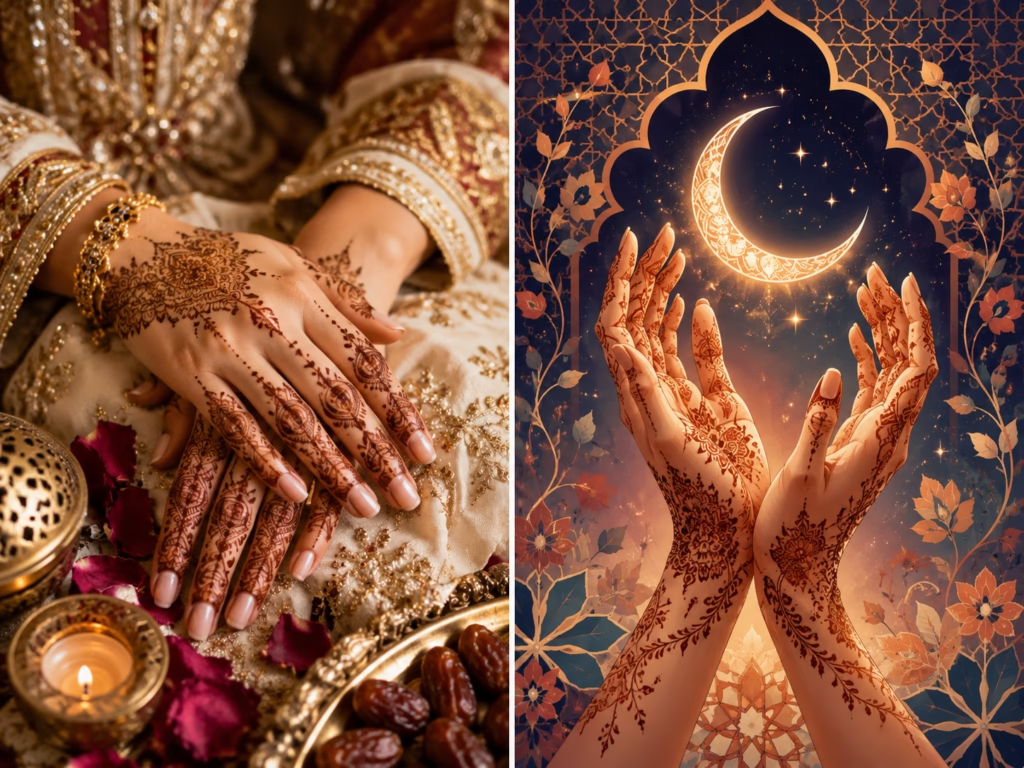
In Moroccan weddings, henna often appears during a special pre-wedding gathering known as a henna ceremony or henna night. Family and friends gather around the bride with music, sweets, advice, blessings, and celebration. Moroccan wedding henna is commonly linked with joy, fertility, protection, and good fortune. (Palais Amani)
For a USA reader, the closest comparison may be a bridal shower with deeper ritual meaning. However, Moroccan henna is more symbolic than a party activity. It marks emotional preparation, family blessing, and communal support before marriage.
Common symbolic meanings include:
- Joy: Henna appears during happy life events.
- Protection: Some traditions connect henna with guarding against the evil eye or harmful forces.
- Blessing: Henna may be associated with baraka, meaning spiritual blessing.
- Transition: Bridal henna marks the bride’s movement into married life.
- Beauty: The designs honor the body as part of celebration.
These meanings are cultural and spiritual interpretations, not scientific claims.
Where Moroccan Henna Is Applied
Moroccan henna commonly appears on the:
- Hands
- Palms
- Wrists
- Feet
- Ankles
- Sometimes lower arms or legs
Bridal designs often cover more skin than everyday henna. Moroccan henna artists, sometimes called naqasha or hannaya, may create fine patterns using tools adapted for detailed linework. (Taste of Maroc)
Moroccan Henna Patterns and Styles
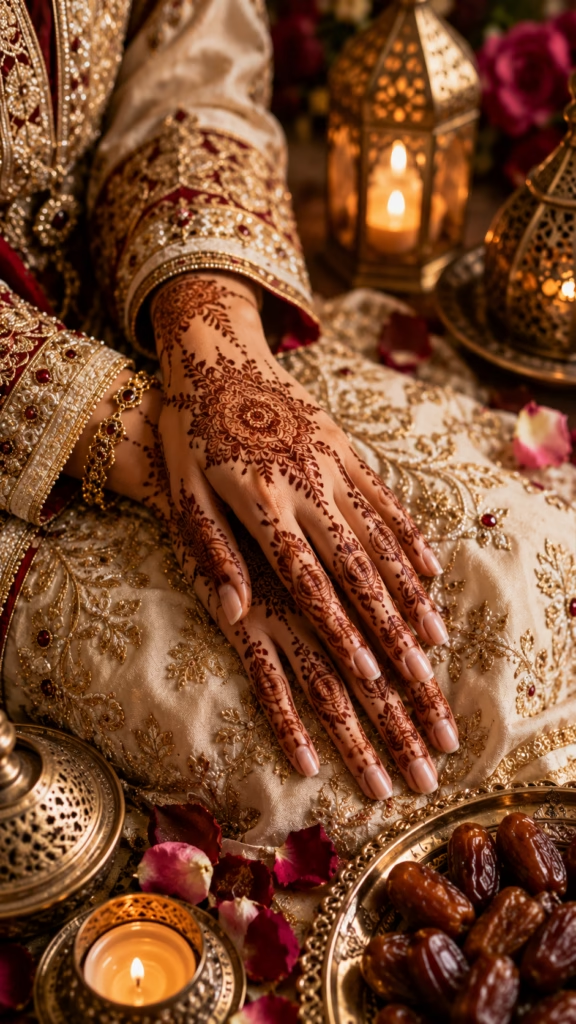
Moroccan henna designs often use geometric shapes, floral forms, symbolic eyes, khamsa-like hand motifs, and regional styles. Fassi henna from Fez is known for dense geometric patterns, while Marrakechi styles often favor floral designs and open space. (Taste of Maroc)
Symbolically, these patterns turn the body into a temporary manuscript of joy. A bride’s hands become visible signs of blessing, family care, and celebration.
Moroccan Henna for USA Readers: Cultural Respect and Safety
For readers in the USA, Moroccan henna can be appreciated as art, heritage, and cultural storytelling. It should not be reduced to a “temporary tattoo trend” without understanding its deeper social meaning.
It is also important to avoid “black henna.” The FDA warns that products marketed as black henna may contain p-phenylenediamine, or PPD, which can cause dangerous skin reactions. Natural henna usually stains orange-brown, reddish-brown, or brown, not jet black. (U.S. Food and Drug Administration)
FAQ
What does Moroccan henna mean?
Moroccan henna symbolizes joy, beauty, blessing, protection, and celebration. In weddings, it often marks the bride’s transition into married life.
Is Moroccan henna only for weddings?
No. Henna is also used for Eid, births, family gatherings, and personal adornment. Weddings are among its most symbolic occasions.
Where is Moroccan henna placed?
It is commonly applied to the hands and feet. Bridal henna may extend across the palms, wrists, ankles, and sometimes arms or legs.
Is black henna safe?
Black henna can be risky. The FDA warns that it may contain PPD, a chemical linked to serious skin reactions. Natural henna is usually reddish-brown.
What is the secondary meaning of bridal henna?
Bridal henna often represents blessing, protection, family support, and the sacred passage from one life stage to another.
Conclusion
Moroccan henna is more than decoration. It is beauty, ritual, memory, and wedding symbolism woven into temporary art. For USA readers, understanding henna means seeing both the visible pattern and the invisible meaning: joy, blessing, protection, and community.
Sources
- UNESCO, “Henna: rituals, aesthetic and social practices.” (unesco.org)
- UNESCO Intangible Cultural Heritage, Morocco country listing. (ich.unesco.org)
- Taste of Maroc, “Moroccan Henna Designs and Traditions.” (Taste of Maroc)
- Palais Amani, “The Henna Tradition and Its Cultural Significance in Morocco.” (Palais Amani)
- U.S. FDA, “Temporary Tattoos, Henna/Mehndi, and Black Henna.” (U.S. Food and Drug Administration)